If you are looking for a better way to differentiate your company in today's globally connected industry, ISO standards are the way to go. But are ISO standards necessary? This guide will explain what ISO standards are and why they are so important (particularly in today's environment). We will also look at the applications of ISO standards and how they can provide assurance to your business. Let's break it down to really basic steps with some examples.
On this page
What is ISO?
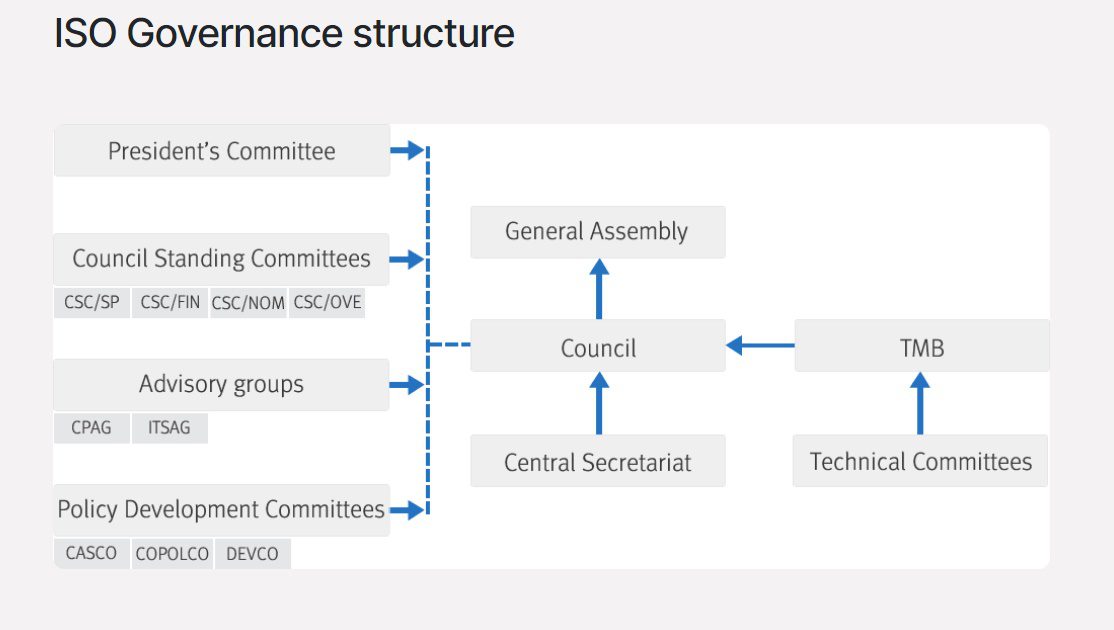
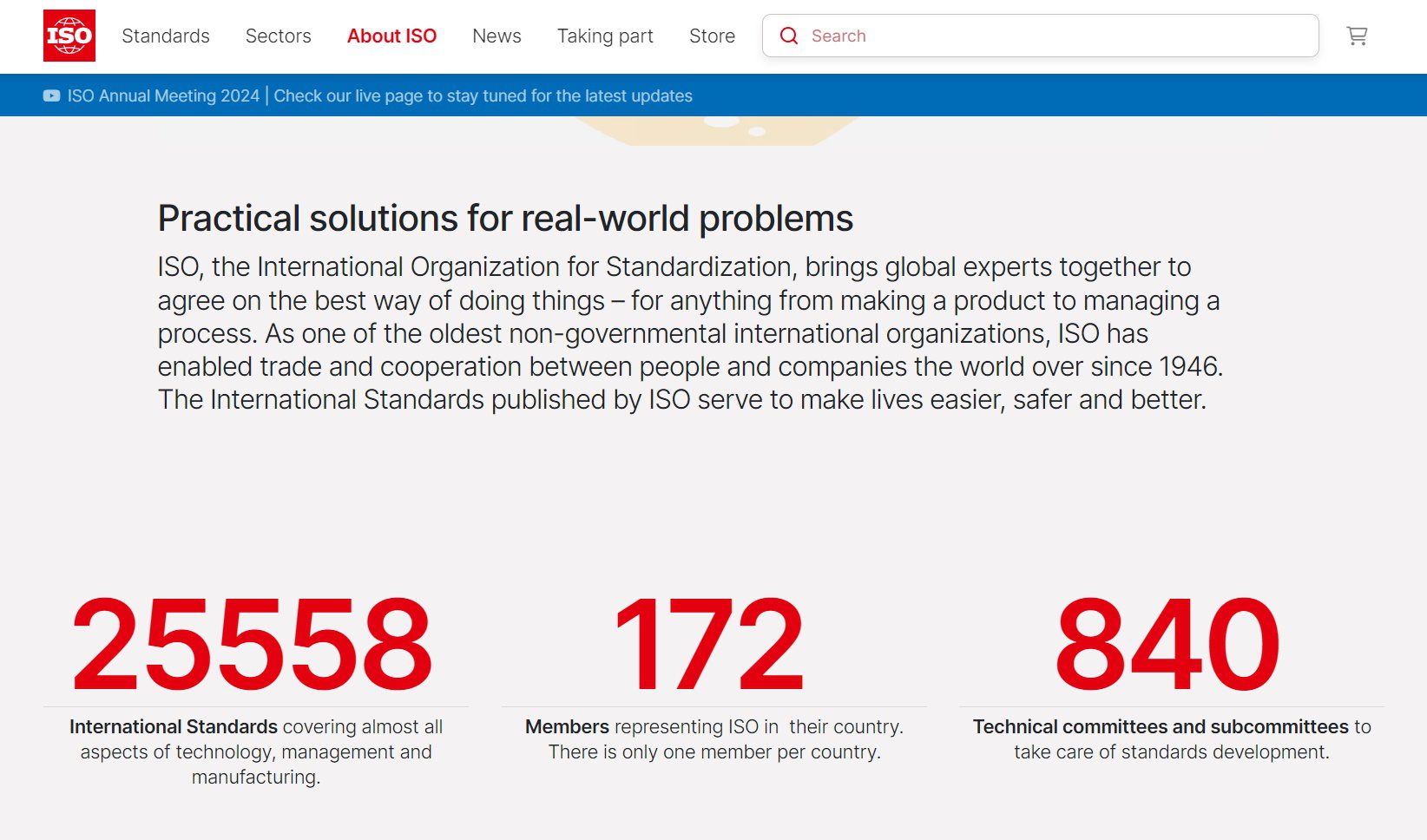
According to Wikipedia, "the International Organization for Standardization (ISO) is an independent, non-governmental, international standard development organisation composed of representatives from the national standards organizations of (172) member countries."
In simple terms, the ISO is an organisation dedicated to publishing international standards. This is done through ISO's technical committee that is in charge of developing standards to help the trade and development sector function properly.





What Are ISO Standards?
The ISO standards are basically publications of requirements (what you must do) and guidelines (what you should do) for businesses to implement a set of frameworks.
The framework ensures that businesses are following best practices to consistently deliver high-quality products or services.
Imagine placing a bulk order and receiving the same quality every time, which means the supplier has some sort of quality process to ensure the consistency. This is the kind of reliability that ISO standards aim to achieve.
A popular example of an ISO standard is the ISO 9001:2015 Quality Management, which specifies requirements for companies to showcase that they really care about customers.
Purpose of ISO Standards
The main purpose of ISO standards is to promote global trade by guaranteeing that goods and services fulfill uniform standards for quality. This framework helps local businesses in meeting industry demands and any other specific requirements.
The scope of ISO standards is quite broad, covering areas quality, environment, medical equipment, procurement, sustainability, aerospace.. you name it!
Given that ISO has published more than 25000 standards, a wide range of industries and sectors can benefit from their rules and regulations.
Benefits of ISO standards
Some people perceive that the ISO standards exist in order to win a new tender or project opportunity whereas the ISO standards actually help businesses improve their internal practices as well as culture.
Better Quality
A lot of companies tend to choose ISO standards to set their business standard for their products and services.
For example, a local manufacturing company can implement ISO 9001 to improve their product quality that exceeds their customer expectations.
On the other side, a construction company can implement ISO 45001 based health and safety system to ensure a safe work environment for employees, reducing the risk of workplace accidents and injuries.
Enhanced Business Trust
In my auditing experience, I have observed that the most important thing for any business is to promote trust and credibility to their customers and stakeholders.
By implementing ISO standards, local companies are able to demonstrate their quality commitment through third party ISO certification.
Being ISO certified opens up a lot of new business opportunities, as many potential clients prefer to work with companies that have shown their committment to meeting international standards.
Easier Global Trade
Imagine you found an amazing supplier overseas but not sure if they are reliable. Well, ISO standards help to reduce such trade barriers. If a company is certified to an ISO standard, this means that they have assurance programs in place.
Companies can also easily grow internationally because of this harmonization, which decreases the need for several qualifications and tests.
Competitive Edge
It's no surprise that the companies like to get an edge over their competitors. ISO standards are also third party audited (like myself!) and certified by an independent accredited certification body like Intertek SAI.
When a business gets an ISO trust mark certificate, partners and customers are more likely to continue working. This makes the company seem more credible.
Legal and Regulatory Compliance
In my experience, I have seen companies implementing ISO standards to help manage their compliance programs.
For example, a laundry rental company I recently audited was using ISO 9001 structure to comply with their association standards. Whereas, a construction company might adapt ISO 45001 to ensure they effectively identify and manage the legal and other requirements at workplace.
ISO Standard's Harmonized Structure
The purpose of ISO standards is to work well with other standards. The process is a lot easier if a company is already using one management system standard and wants to add another for a different part of the business. This is because of an idea called the Harmonized Structure (HS).
Harmonized Structure helps the ISO publish the same structure (clause 1-10), no matter what the standard is about. If you understand one ISO standard, it will be easy to understand another one, even if you haven't heard of it before.
Beyond having a similar structure, ISO standards also share some identical content, thanks to something called "Annex SL.". This makes it easier to recognize terms and use the standards because they have many of the same words and definitions.
This is especially helpful for companies that use multiple standards at once, sometimes called an "integrated" management system. With an integrated system, one system can meet the needs of two or more standards at the same time.
Common ISO Standards
The most common ISO standards include ISO 9001 Quality Management, ISO 14001 Environmental Management, ISO 45001 Occupational Health and Safety Management and ISO 27001 Information Security Management. Let's take a closer look at what these standards mean:
ISO 9001 Quality Management
ISO 9001 Quality Management focuses on ensuring that organizations meet the needs and expectations of their customers through a systematic approach to quality management.
This standard aims to help businesses improve their processes, increase customer satisfaction, and continually strive for excellence.
By implementing ISO 9001, companies can demonstrate their commitment to quality and enhance their reputation in the marketplace.
ISO 14001 Environmental Management
ISO 14001 Environmental Management has grown in popularity in recent years. It focuses on helping organizations reduce their environmental impact and comply with ecological regulations.
This standard encourages businesses to implement practices that minimize waste, conserve resources and promote sustainability.
By implementing ISO 14001 standard, companies can show their dedication to environmental responsibility and attract environmentally-conscious customers.
ISO 45001 Occupational Health and Safety Management
ISO 45001 Occupational Health and Safety Management focuses on ensuring a safe and healthy work environment for employees as well as the whole supply chain (contractors, suppliers, safety in design).
This standard helps organizations identify and manage occupational health and safety risks, reducing the likelihood of accidents and injuries.
By implementing ISO 45001 standard, companies can demonstrate their commitment to protecting their employees and meeting legal requirements related to workplace health and safety.
ISO 27001 Information Security Management
ISO 27001 Information Security Management focuses on protecting sensitive information within an organization as well as ensuring the interested parties have confidence in business.
This standard helps companies establish and maintain a robust framework for managing and securing data, reducing the risk of breaches and cyber attacks.
By implementing ISO 27001, organizations can demonstrate their dedication to safeguarding confidential information and ensuring the integrity and availability of data.
Where to Download ISO Standards?
If you're looking to download ISO standards in PDF, ISO website has done some amazing work to make it a really simple process. First visit the relevant standard page on ISO website and purchase an authorised copy of it. You'll access the PDF standard document immediately.
If you need help from experts such as ISO 9001 consultants near by who specialize in helping businesses achieve ISO 9001 certification, CertBetter directory can help you quickly find the best and verified ISO consultants.
Before we go..
Despite the fact that ISO standards are purely voluntary, they provide some amazing benefits to businesses, like we discussed above. If you own or manage a business, I'd suggest you start implementing ISO standards even without any external certification process and see the benefits. Take your business to new levels of efficiency and quality by adopting ISO standards today. I hope this guide helped you understand what is an ISO standard and everything around it. Let me know if you have any questions!